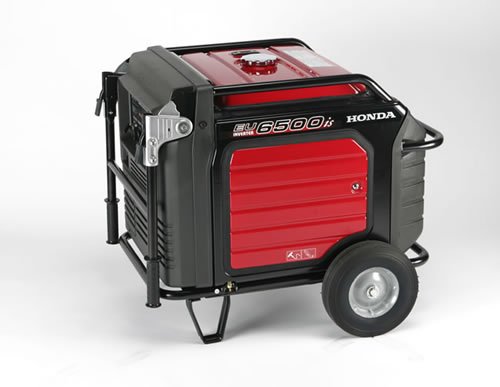
When the lights go out, or you need power far from the grid, your Honda EU6500is generator is a reliable workhorse. But like any powerful machine, mastering its safe operation and meticulous storage isn't just about convenience—it's about protecting yourself, your family, and your investment. This guide cuts through the noise to give you the clear, actionable advice you need to use your EU6500is with confidence and keep it running smoothly for years.
We're diving deep into the specifics of your Honda EU6500is, drawing directly from the manufacturer's wisdom, so you can handle everything from a routine startup to long-term storage like a pro.
At a Glance: Your EU6500is Safety Checklist
Before we jump into the details, here are the non-negotiables for operating and storing your Honda EU6500is:
- Always Outdoors: Never run your generator indoors, in a garage, or any partially enclosed space. Carbon monoxide is an invisible killer.
- Keep it Dry: Water and electricity are a deadly mix. Protect your generator from moisture and rain.
- Fuel with Care: Gasoline is highly flammable. Refuel outdoors, with the engine off and cool, away from sparks and flames.
- Maintain Clearance: Give your generator at least 3 feet (1 meter) of clear space on all sides to prevent overheating and fire.
- Ground Properly: Ensure your generator is correctly grounded to prevent electric shock. Consult an electrician if connecting to a building.
- Check Before Every Use: Verify engine oil, fuel levels, and air filter condition before starting.
- Follow the Schedule: Adhere to the maintenance schedule for oil changes, spark plug checks, and more. It extends life and prevents issues.
- Store Fuel Smartly: Use approved containers and store gasoline away from living areas and heat sources.
- Prepare for Long-Term Storage: Stabilize or drain fuel, change oil, and protect the engine's internal components.
- Read Your Manual: This guide is a companion, but your Honda EU6500is manual is the ultimate authority. Keep it handy!
Your Powerhouse: Understanding the Honda EU6500is
The Honda EU6500is is more than just a generator; it's a portable power station designed for versatility and efficiency. With its "is" designation, it hints at advanced features like inverter technology, which delivers cleaner power, and often, enhanced fuel efficiency via EcoThrottle™. Understanding its design—from the powerful engine to the intelligent i-MONITOR™ display—is your first step towards safe and effective use.
The foundation of safe operation, no matter how seasoned you are, always begins with the manufacturer's guidelines. Think of your owner's manual not as a dusty tome, but as the essential blueprint for your generator's health and your safety. In fact, if you're curious about the full range of Honda's generator offerings, you can explore All about Honda 6500 generators.
Every Honda EU6500is manual is packed with critical safety information, often highlighted with signal words to grab your attention. These aren't just suggestions; they're warnings designed to prevent serious injury or worse:
- DANGER: This means you will be hurt or killed if you ignore the instructions. No exceptions.
- WARNING: This signals that you can be hurt or killed if you don't follow the instructions.
- CAUTION: This indicates you can be hurt or killed if you don't follow instructions, or that damage to the generator could occur.
These alerts are your generator's way of talking to you, emphasizing that most accidents are preventable simply by paying attention and following the steps.
Before You Even Think About Starting It: Pre-Operation Essentials
Before you pull that starter cord or hit the remote start button, a few crucial checks and preparations can make all the difference. This isn't just about getting your generator to run; it's about ensuring it runs safely and efficiently.
Getting to Know Your Machine: Key Controls & Features
Your EU6500is has several features designed for both convenience and safety. Familiarizing yourself with them means you'll react appropriately when the generator gives you feedback.
- Indicators:
- OVERLOAD INDICATOR (Red): This light means trouble. It illuminates for an overload, a short circuit, or if the inverter overheats. Pay attention—it signals that current will shut off if the issue persists.
- OUTPUT INDICATOR (Green): Your happy light! When green, it means your generator is operating normally and producing power.
- OIL ALERT INDICATOR: If this lights up, your engine oil is low, and the generator will stop to protect itself.
- Switches & Levers:
- ENGINE SWITCH: This is your master control, with positions for OFF, ON, START, and an optional REMOTE setting.
- FUEL VALVE LEVER: Controls the flow of gasoline to the engine. Always turn it OFF when the generator isn't running.
- ECOTHROTTLE™ SWITCH: This smart switch lets your generator conserve fuel and reduce noise by automatically adjusting engine speed to match the load. Flip it ON for light loads, OFF for full power or sudden demands.
- VOLTAGE SELECTOR SWITCH: Choose between 120V ONLY or 120/240V, depending on your power needs.
- Protectors:
- AC CIRCUIT PROTECTORS: These are your generator's fuses, automatically tripping OFF if a short circuit or overload occurs, protecting both your generator and connected devices.
- FUSE (1A, 15A): If the starter motor isn't working, check this fuse.
- i-MONITOR™: Your generator's dashboard. This LCD displays crucial information like total operating hours, power output (VA), engine RPM, battery voltage, and error messages.
- Ground Terminal: This is where you connect a ground wire for electrical safety. Always follow local codes and consult a qualified electrician.
The Critical Pre-Operation Inspection Checklist
Every single time you plan to run your EU6500is, take a few minutes for these essential checks. Skipping them is like driving a car without checking the tires—you might get away with it, but the risks are high.
- Placement: Ensure the generator is on a firm, level surface, at least 3 feet (1 meter) away from any buildings, equipment, or flammable materials. This provides crucial airflow and reduces fire risk.
- Engine Switch OFF: Confirm the engine switch is in the OFF position before any other checks to prevent accidental starting.
- Engine Oil Level: Open the right maintenance cover, unscrew and wipe the dipstick, then reinsert it (without screwing it in) to check the level. If low, fill to the top of the filler neck with the recommended oil (SAE 10W-30, API SJ or later).
- Air Filter: Open the left maintenance cover, remove the air cleaner cover, and inspect the foam filter. If it's dirty or damaged, clean or replace it. A clogged filter can choke your engine and reduce efficiency.
- Fuel Level: Check the fuel gauge. If low, refuel outdoors with the engine OFF and cool. We'll cover proper refueling in detail next.
- Battery Maintenance Cover: Always ensure this cover is securely in place before operation. It protects the battery and helps prevent poor performance.
- Appliance Check: Disconnect all appliances from the generator before starting. Inspect all cords and plugs for damage. Use only grounded 3-prong cords or double-insulated tools.
Powering Up Safely: Operating Your EU6500is
Operating your Honda EU6500is properly is paramount. The power it provides can be life-saving during an outage, but mishandling it can be life-threatening.
Carbon Monoxide: The Invisible Killer
This is the most critical safety warning: Engine exhaust contains poisonous, colorless, and odorless carbon monoxide (CO).
- Operate Outdoors ONLY: Always run your generator outdoors, in an open area, far away from windows, doors, and vents that could allow exhaust fumes to enter buildings.
- Never Indoors: Never, ever run the generator in a closed or partially enclosed area, such as a garage, basement, shed, or even under a carport with walls. Even if you think you have ventilation, it's not enough.
- CO Detectors: While not a substitute for outdoor operation, installing battery-operated carbon monoxide alarms in your home can provide an extra layer of protection.
Electrical Hazards: Shock & Electrocution
Your generator produces enough power to cause serious electric shock or even electrocution if not handled carefully.
- Keep it Dry: Moisture and ice can cause your generator to malfunction and create dangerous electrical pathways. Do not operate it in rain or wet conditions. If it gets wet, ensure it's thoroughly dry before use.
- Proper Grounding: The generator frame, non-current-carrying metal parts, and receptacle ground terminals are connected to a system ground. For additional protection, especially when using power tools, connect the generator's ground terminal to a proper earth ground (e.g., a grounding rod) according to local electrical codes. If unsure, consult a qualified electrician.
- Isolation Switch for Home Connection: NEVER connect your generator directly to your home's electrical system without an approved transfer switch (also called an isolation switch) installed by a qualified electrician. Doing so can cause "backfeed," sending electricity back into the utility lines, which can electrocute utility workers and cause fires. It's illegal and incredibly dangerous.
Fire & Burn Risks: Heat and Fuel
The exhaust system and engine components get extremely hot during operation—hot enough to ignite flammable materials.
- Clearance is Key: Always maintain at least 3 feet (1 meter) of clear space around the generator. Do not enclose it in any way.
- Keep Flammables Away: Store gasoline, propane tanks, rags, and other flammable materials far away from the generator.
- Muffler Heat: The muffler remains hot for a significant time after the engine is turned off. Allow it to cool completely before touching it or storing the generator.
- Refuel with Extreme Care: Gasoline is incredibly flammable, and its vapors can explode.
- Engine OFF and Cool: Always turn off the engine and let it cool for at least 15 minutes before refueling.
- Outdoors, Well-Ventilated: Refuel only outdoors in a well-ventilated area.
- No Overfilling: Fill the tank carefully, never above the shoulder of the fuel strainer, to allow for expansion.
- No Sparks/Flames/Smoking: Absolutely no smoking, open flames, or sources of sparks (like static electricity from rubbing clothing) near gasoline.
- Wipe Spills: Immediately wipe up any spilled gasoline before starting the engine.
- Approved Containers: Store gasoline in approved, clearly labeled containers, away from living areas, direct sunlight, and heat sources.
Starting It Up: A Step-by-Step Guide
With all safety precautions in mind, you're ready to start your EU6500is.
- Disconnect Appliances: Ensure all appliances are unplugged from the generator.
- Set Voltage Selector: Choose your desired voltage (120V ONLY or 120/240V).
- Fuel Valve ON: Turn the fuel valve lever to the ON position.
- EcoThrottle™ OFF: For quicker warm-up and reliable starting, set the EcoThrottle™ switch to OFF.
- Start the Engine:
- Electric Start: Turn the engine switch to START and hold it for up to 5 seconds. If it doesn't catch, wait 10 seconds before trying again to prevent starter motor damage.
- Recoil Start (if battery is low): Turn the engine switch to ON. Open the right maintenance cover. Pull the starter grip lightly until you feel resistance, then pull briskly with a smooth motion, keeping the rope within 20 degrees of horizontal. Return the grip gently. Close the cover.
- Remote Control (optional): With the voltage set and fuel valve ON, turn the engine switch to REMOTE. Press and hold the start button on your remote until the engine pilot lamp illuminates (up to 5 seconds).
- Warm-Up: Let the engine run for 2-3 minutes to warm up.
- Engage EcoThrottle™: If you're running light loads or no load, you can now turn the EcoThrottle™ switch to ON to conserve fuel and reduce noise. For heavy loads, keep it OFF.
Running Your Appliances: AC Operation Best Practices
Once running, your EU6500is is ready to power your devices.
- Connect After Startup: Only plug in appliances once the generator is running and the green OUTPUT INDICATOR is ON.
- Monitor for Malfunctions: If any connected appliance malfunctions, immediately turn it off and disconnect it from the generator.
- Voltage Selection:
- 120/240V: Use this setting if you need both 120V and 240V power simultaneously.
- 120V ONLY: This setting routes all power through the 120V receptacles, offering the maximum current (up to 30A) through the 120V locking plug.
- Overload Protection: If the red OVERLOAD INDICATOR lights up, it means the generator is overloaded, short-circuited, or overheating. If it stays on for 5 seconds, the current will shut off.
- If this happens, disconnect appliances, stop the engine, investigate and correct the issue (e.g., reduce total load), and then restart the generator.
- Power Ratings:
- Maximum Power (6,500 VA): This is the peak power your generator can produce, but only for short durations (no more than 30 minutes). Use it for starting high-surge appliances.
- Rated Power (5,500 VA): This is the power your generator can sustain continuously. Always size your total load to stay within this rating for continuous operation.
- Divide Your Loads: Your EU6500is has two main power circuits (Main Circuit I for Receptacles 1, 3, 4; Main Circuit II for Receptacles 2, 5). To prevent overloading a single circuit, distribute your appliances evenly across the available receptacles. The total rated ampere draw is 45.8 A.
- EcoThrottle™ Use: For appliances with fluctuating power demands or when the generator is under a light load, EcoThrottle™ ON is perfect. For high electrical loads or appliances that need consistent, immediate power (like some power tools), set EcoThrottle™ to OFF.
Stopping the Engine:
- Emergency Stop: Simply turn the engine switch to OFF.
- Normal Stop: First, unplug all appliances. Then, turn the engine switch to OFF. Finally, turn the fuel valve lever to OFF.
- Remote Control Stop (optional): Press the stop button on your remote. Then, turn the engine switch to OFF and the fuel valve lever to OFF.
Connecting to Your Home: Standby Power (The Isolation Switch is Non-Negotiable)
We cannot emphasize this enough: Connecting a generator to your home's electrical system requires professional installation of an isolation switch (also known as a transfer switch).
- Qualified Electrician: This must be done by a qualified electrician, adhering to all local and national electrical codes.
- Prevent Backfeed: An isolation switch safely disconnects your home from the utility grid before connecting to the generator, preventing dangerous "backfeed" that can endanger utility workers and cause severe damage or fire.
- Utility Consultation: Always consult your utility company and local authorities about their requirements. Some areas even require generator registration.
- System Ground: While your Honda generator has a system ground connecting its frame and receptacle ground terminals, this is not connected to the AC neutral wire. This is why proper home installation is critical.
Keeping Your Generator Healthy: Essential Maintenance for Longevity & Safety
Regular maintenance isn't just about extending the life of your EU6500is; it's fundamental for safe, economical, and trouble-free operation. Neglecting it can lead to breakdowns, safety hazards, and increased air pollution. Always use genuine Honda parts for replacements.
Maintenance Safety Reminders:
- Engine OFF: Always ensure the engine is OFF before performing any maintenance.
- Cool Down: Allow the engine and exhaust system to cool completely to prevent burns.
- Ventilation: Work in a well-ventilated area to avoid carbon monoxide exposure.
- Moving Parts: Be cautious of any moving parts if the engine has just stopped.
- Fuel & Sparks: Keep cigarettes, sparks, and flames away from fuel-related components.
Your Maintenance Schedule: Staying on Track
This is a general guide; always refer to your manual for precise intervals.
| Item | Every Use | First Month / 20 hrs | Every 3 Months / 50 hrs | Every 6 Months / 100 hrs | Every Year / 200 hrs |
|---|---|---|---|---|---|
| Engine Oil | Check Level | Change | Change | ||
| Air Filter | Clean | ||||
| Sediment Cup | Clean | ||||
| Spark Plug | Check/Adjust | Replace | |||
| Spark Arrester | Clean | ||||
| Valve Clearance | Check/Adjust (Dealer) | ||||
| Fuel Tank/Filter | Clean (Dealer) | ||||
| Fuel Tube | Check (Dealer) |
Fueling Up Smart: The Right Fuel, The Right Way
We covered refueling safety earlier, but let's quickly reiterate the fuel specifics.
- Type: Use regular unleaded gasoline with an octane rating of 86 or higher.
- Ethanol/Methanol: Up to 10% ethanol (E10) is acceptable. Up to 5% methanol is okay if it contains cosolvents and corrosion inhibitors. Avoid fuel with more than these percentages.
- Fresh Fuel: Always use fresh gasoline. Stale or contaminated fuel can cause starting problems and engine damage.
Checking & Changing Engine Oil: The Lifeblood of Your Engine
- Checking: Place the generator on a level surface with the engine off. Open the right maintenance cover. Remove the oil filler cap/dipstick, wipe it clean, insert it without screwing it in, then remove and check the level. If low, fill to the top of the filler neck.
- Changing: Change oil when the engine is warm (for easier draining). Remove the rubber seal below the drain plug. Place a container underneath. Remove the oil filler cap/dipstick and the drain plug/washer. Allow the oil to drain completely. Reinstall the plug and washer securely. Fill with 1.18 US quarts (1.12 L) of recommended oil (SAE 10W-30, API service category SJ or later) to the outer edge of the filler hole. Reinstall the filler cap/dipstick and close the cover. Dispose of used oil responsibly.
Air Cleaner & Sediment Cup: Keeping Things Breathing Clean
- Air Cleaner Service: Open the left maintenance cover, remove the air cleaner cover screws, and take out the foam filter. Clean it in warm, soapy water (rinse and dry), or nonflammable solvent (dry), then dip it in clean engine oil and squeeze out the excess. Reinstall. Operating without a filter or with a damaged one causes rapid engine wear and voids your warranty.
- Sediment Cup Cleaning: Turn the fuel valve to OFF and remove the key. Open the left maintenance cover. Unscrew and remove the sediment cup and its O-ring. Wash them in nonflammable solvent, dry thoroughly, and reinstall carefully.
Spark Plug & Arrester: Ignition and Exhaust Care
- Spark Plug Service: Recommended plugs are NGK BPR5ES or DENSO W16EPR-U. Open the left maintenance cover, remove the inspection cover, and disconnect the spark plug cap. Clean around the plug before removing it with a 13/16-inch wrench. Inspect for wear or damage. Measure the gap (0.028 – 0.031 in / 0.70 – 0.80 mm) and adjust by bending the side electrode. Ensure the washer is in good condition. Hand-thread the new/cleaned plug, then tighten it 1/2 turn (new) or 1/8–1/4 turn (used) after seating. Reattach the cap and covers.
- Spark Arrester Service: Every 100 hours, after the muffler has cooled, remove the two 5x14 mm pan head screws. Use a brush to remove carbon deposits, being careful not to damage the screen. Replace the arrester if damaged. Reinstall.
Battery Care: Powering Your Start
Your EU6500is's charging system keeps the battery topped up during operation.
- Monthly Charging: If you use your generator periodically, charge the battery monthly to prevent discharge.
- Battery Safety: Batteries contain corrosive sulfuric acid and produce explosive hydrogen gas. Always wear protective clothing and eye protection. Keep children away.
- Emergency Exposure: For eyes, flush with water for 15+ minutes and seek immediate medical attention. For skin, remove contaminated clothing, flush with water, and seek medical attention. If swallowed, drink water or milk and call Poison Control or a physician immediately.
- Removal: Lift the handle, loosen the battery maintenance cover, remove the negative (-) terminal first, then the positive (+). Unhook the strap and remove the battery.
- Charging: Use a charger rated at 1.1 amps (10% of the battery's 11.2 Ah rating) for 5-10 hours. Charge in a well-ventilated area.
- Installation: Install the battery, connect the positive (+) cable first, then the negative (-). Slide the boot over the positive terminal, secure the strap, and replace the cover.
Fuse Check: When the Starter Goes Silent
If your starter motor isn't working, check the fuses. Your EU6500is uses 1A and 15A fuses. Locate the cause of the blown fuse, repair it, and then replace the fuse with one of the identical type and rating. Never use a fuse with a different rating.
Putting Your Powerhouse Away: Long-Term Storage Best Practices
Proper storage is crucial for maintaining your generator's condition and ensuring it's ready to go when you need it next. This is especially important if you won't be using it for more than a month.
Preparing for Hibernation: Cleaning and Protection
- Clean Thoroughly: Give your generator a good clean. Remove any dirt, dust, or debris from the exterior, cooling fins, and air vents.
- Touch-Up Paint: Address any scratches or chips in the paint to prevent rust.
- Oil Exposed Metal: Apply a light coat of oil to any bare metal surfaces prone to rust.
Fuel Storage: To Drain or Stabilize?
Gasoline can turn stale, separate, and gum up your fuel system within a month or two. You have two main options for dealing with fuel during storage:
- Use a Fuel Stabilizer: This is often the easier option.
- Add a high-quality fuel stabilizer to a full tank of fresh gasoline.
- Run the engine for about 10 minutes to ensure the treated fuel circulates throughout the carburetor.
- Then, turn the engine OFF and move the fuel valve to OFF.
- Drain the Fuel System Completely: This is the most thorough method and prevents any fuel-related issues.
- Turn the fuel valve to OFF.
- Place a suitable container under the carburetor.
- Loosen the carburetor drain screw and remove the sediment cup to allow all fuel to drain from the tank and carburetor.
- Reinstall the sediment cup and tighten the drain screw once dry. Dispose of the drained fuel safely.
Engine Preservation: Internal Protection
- Change Engine Oil: Perform a fresh oil change. New oil doesn't contain the acids or contaminants that old oil might, offering better protection.
- Cylinder Oiling:
- Remove the spark plug.
- Pour about 5–10 cc (one teaspoon) of clean engine oil into the cylinder.
- Slowly pull the starter rope several times to distribute the oil.
- Reinstall the spark plug.
- Pull the starter grip slowly until you feel resistance (this indicates the compression stroke, with the valves closed), then stop. This position protects the engine from internal corrosion by keeping the valves sealed.
Battery Maintenance During Storage: Keep it Charged
- Fully Charge: Ensure the battery is fully charged before storing it.
- Recharge Monthly: To prevent permanent damage from self-discharge, recharge the battery monthly during storage. Alternatively, you can connect it to a trickle charger designed for maintenance.
Choosing the Right Spot: Environment Matters
- Ventilation: Store your generator in a well-ventilated area.
- Away from Hazards: Keep it away from open flames, sparks, and heat sources like furnaces or water heaters.
- Low Humidity: Avoid areas with high humidity, which can promote rust and corrosion.
- Level Surface: Place the generator on a level surface.
- Cover It: Once the generator is completely cool, cover it with a non-porous material (like a tarp) to protect it from dust and moisture.
Bringing it Out of Storage: Getting Ready
When you're ready to use your EU6500is again, perform a complete "Before Operation" check. If you drained the fuel, fill it with fresh gasoline. Don't be alarmed if the engine smokes briefly after startup if you oiled the cylinder for storage—this is normal as the excess oil burns off.
Moving Your Generator: Safe Transport Tips
Transporting your Honda EU6500is requires a few simple precautions to ensure safety and prevent damage.
- Allow Cooling: Let the engine cool for at least 15 minutes before attempting to move it.
- Keep it Level: Always transport the generator on a level surface to prevent fuel or oil spills.
- Fuel Valve OFF: Ensure the fuel valve is in the OFF position. If you've drained the fuel for storage, even better.
- Secure Properly: Use only the frame bars as attachment points for ropes or straps to secure the generator in a vehicle. Never tie down by the handle or other removable parts.
Troubleshooting Common Hiccups: When Things Don't Go as Planned
Even with the best preparation, generators can sometimes be temperamental. Here's a quick guide to common issues.
Engine Will Not Start:
- Fuel Valve OFF? Turn it ON.
- Engine Switch OFF? Turn it ON.
- Out of Fuel? Refuel with fresh gasoline.
- Bad Fuel? Drain old fuel, refill with fresh.
- Low Oil? Add oil; the Oil Alert system will prevent starting.
- Spark Plug Issues? Check for fouling, incorrect gap, or a faulty plug. Clean, re-gap, or replace as needed.
- Flooded Engine? Disconnect the spark plug, turn the fuel valve OFF, pull the starter rope several times to clear the cylinder, then reinstall the plug and try starting again.
- Other Issues? Restricted fuel filter, carburetor issues, ignition problems, or stuck valves usually require a dealer service.
Engine Lacks Power:
- Restricted Air Filter? Clean or replace it.
- Bad Fuel? Drain and refuel with fresh gasoline.
- Other Issues? Restricted fuel filter, carburetor issues, ignition problems, or stuck valves will require professional attention.
No Power at Receptacles:
- Output Indicator OFF/Overload Indicator ON? This means an overload or malfunction. Check your AC load, ensure cooling air inlets aren't blocked, and then stop and restart the engine.
- Circuit Protector Tripped? Check the AC load on the circuit that tripped, reduce the load, and then reset the circuit protector.
- Faulty Appliance? Test the appliance on another power source. If it's faulty, repair or replace it.
- Faulty Generator? If none of the above resolve the issue, stop and restart the engine. If the problem persists, it's time to see a Honda dealer.
Beyond the Basics: Advanced Considerations
For those who use their EU6500is in specific conditions or want to know more about its inner workings.
High Altitude Operation
If you operate your EU6500is regularly above 5,000 feet (1,500 meters) above sea level, the standard carburetor mixture will be too rich. This can lead to reduced performance, increased fuel consumption, and fouled spark plugs. Consult a Honda dealer about carburetor modification for high-altitude use. Be aware that engine horsepower decreases by approximately 3.5% per 1,000-foot (300-meter) increase in altitude. Crucially, if your generator is modified for high altitude, operating it below 5,000 feet can cause overheating and serious engine damage.
Emission Control System Information
Your Honda EU6500is is designed with emission control systems to meet environmental regulations, particularly in California and by the EPA. These systems manage the output of carbon monoxide, nitrogen oxides, and hydrocarbons. Tampering with or altering these systems is illegal. Regular maintenance, as outlined in your manual, is vital for proper emission control. Symptoms like hard starting, rough idle, misfiring, black smoke, or high fuel consumption can indicate an emission-related problem, which should be addressed by a dealer.
Serial Numbers & Documentation
Always record your generator's frame serial number. This information is essential for parts ordering, warranty inquiries, and in the event of theft. Keep your owner's manual in a safe, accessible place, ideally with the generator itself, as it's a permanent part of the machine.
Your Power, Your Responsibility: Final Thoughts for Confident Use
Operating and storing your Honda EU6500is safely isn't just a recommendation; it's a commitment to protecting your loved ones and maximizing the lifespan of your valuable equipment. By consistently applying the safety precautions, following the operational steps, and sticking to a diligent maintenance and storage schedule, you ensure your generator is always ready to deliver reliable power, exactly when you need it most.
Take the time to understand your machine, listen to its warnings, and never cut corners on safety. Your Honda EU6500is is a powerful tool, and with a little care and attention, it will serve you faithfully for years to come.