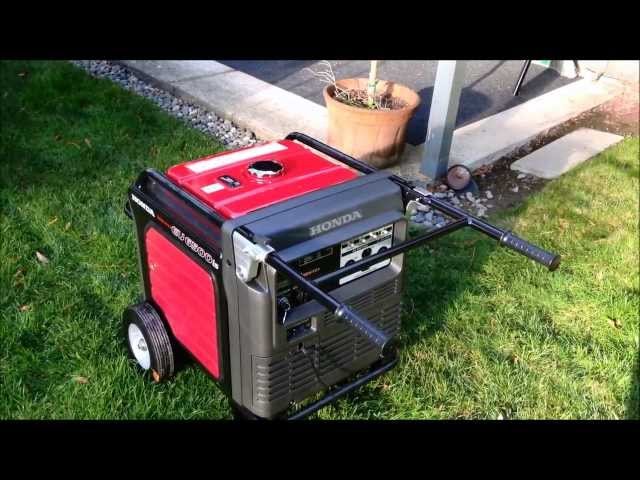
Few things are as frustrating as reaching for your Honda EU6500is, expecting its legendary quiet power, only to have it sputter, surge, or refuse to start. When your dependable EU6500is generator encounters problems, it can throw a wrench into everything from job site productivity to emergency backup plans. But before you panic or haul it to a service center, many common issues have straightforward solutions, often involving a meticulous eye and a bit of hands-on troubleshooting.
This guide will walk you through dissecting the most common Honda EU6500is problems, drawing on real-world scenarios to help you diagnose, and in many cases, fix your generator yourself. We'll explore everything from mysterious shutdowns to reluctant starts, giving you the insights to restore your EU6500is to peak performance.
At a Glance: Key Takeaways for EU6500is Troubleshooting
- Fuel is King: Old, contaminated, or low-quality fuel is the number one culprit for most generator issues. Always start here.
- Carburetor Sensitivity: The EU6500is carburetor is precise. Even tiny clogs or misalignments (like a float valve spring) can cause major headaches.
- Systemic Approach: Don't just guess. Follow a logical diagnostic path, ruling out the simplest issues first.
- Listen & Observe: Pay close attention to sounds, lights, and how the generator behaves before/during a failure. Every detail is a clue.
- Safety First: Always disconnect the spark plug before performing any maintenance or inspection to prevent accidental starting.
Understanding Your Honda EU6500is: A Brief Overview
The Honda EU6500is is renowned for its inverter technology, providing clean, stable power, and its remarkably quiet operation. It’s a sophisticated piece of machinery, but its core components — engine, fuel system, ignition, and electrical output — are subject to the same wear and tear, and sensitivities, as any other internal combustion engine.
Its "IS" designation stands for "Inverter Series," indicating its advanced electronic components that convert raw AC power from the alternator into a stable, clean AC output suitable for sensitive electronics. This inverter system, while a major benefit, also adds layers of complexity compared to traditional generators. For a deeper dive into what makes this machine tick, explore All About Honda 6500 Generator.
When troubleshooting, remember that the EU6500is integrates multiple systems. A problem in one area, like the fuel system, can manifest as symptoms that seem electrical, and vice-versa. Patience and methodical investigation are your best tools.
Pinpointing the Problem: Common Symptoms and Their Meaning
Before diving into fixes, let's understand what your generator is trying to tell you. Specific symptoms often point toward particular problem areas.
- Engine Surging/Hunting: The engine RPMs fluctuate noticeably, speeding up and slowing down without a consistent rhythm. This is almost always a fuel delivery or carburetor issue.
- Starts, Runs Briefly, Then Dies: A classic sign of either fuel starvation (not enough fuel getting to the carburetor or engine) or an issue with the choke system not disengaging properly.
- No Start/Hard Start: The engine cranks but won't catch, or takes many pulls/attempts. This indicates a problem with the "spark, fuel, or air" trifecta �� one of these three essentials is missing or insufficient.
- No Power Output (Engine Runs): If the engine is running fine but you're getting no electricity from the outlets, the problem lies within the generator's electrical system, often the inverter or alternator.
- Engine Shuts Off Unexpectedly: Can be a safety shutdown (low oil, overload) or a critical system failure (fuel starvation, ignition).
Deep Dive: Problem 1 - The "10-Minute Surge & Shutdown" Enigma
This is a particularly frustrating issue often encountered by EU6500is owners. The symptoms are distinct: the generator starts, runs for approximately 10 minutes, then the engine begins to surge for about 15 seconds before completely shutting off. Crucially, output is lost during the surge, and the output light turns off, but no Overload Indicator or Oil Alert lights activate. You can restart it after 30 seconds, but it dies again within a few minutes, regardless of the load. Adding to the mystery, the display button is non-functional.
This specific set of symptoms paints a clearer picture than a generic "it died." The lack of overload or oil alerts rules out those common safety shutdowns, pushing us to consider other systemic failures.
What These Symptoms Suggest:
- Delayed Failure: The 10-minute run time before failure suggests something takes time to develop or manifest. This could be a gradual fuel restriction, an electronic component warming up and failing, or a sensor slowly going out of spec.
- Output Loss & Surge: The loss of output before the engine fully shuts down, combined with the engine surge, strongly points to an inverter or electronic control unit (ECU) issue. The inverter might be failing to regulate power, causing the engine to "hunt" for the correct RPM, or even sending a signal to shut down.
- Non-Functional Display Button: This is a significant clue. The display button is part of the control panel, which is intrinsically linked to the inverter and ECU. A non-functional button, coupled with the other issues, strongly implicates a fault within the control electronics or inverter system.
Potential Causes:
Given the specific symptoms, the likely culprits fall into these categories:
- Failing Inverter Board: The most suspicious component. If the inverter board is overheating, has a faulty component, or is suffering from a cold solder joint, it could function briefly before failing. This would explain the loss of output, the engine surge as it tries to compensate, and potentially the non-functional display button if the control circuit is part of the failing board.
- Fuel System (Subtle Restriction): While less likely given the electronics clues, a very subtle fuel restriction (e.g., a partially clogged fuel filter, a weak fuel pump, or a minor clog in the main jet of the carburetor) could cause the engine to lean out and surge after prolonged running. However, the non-functional display button doesn't directly support this.
- Vapor Lock: In very hot conditions, fuel can vaporize in the lines, causing intermittent starvation. The longer run time might allow heat to build up, leading to this. Again, the display button issue steers away from this as the primary cause.
- Faulty Engine Control Unit (ECU): The ECU manages engine functions. A failing ECU could send incorrect signals, leading to surges and shutdowns, and also impact the display.
Your Troubleshooting Path for the "10-Minute Surge":
This is a complex issue, and while some checks are DIY, others may require professional diagnostics.
- Basic Fuel System Check (Rule out the simple first):
- Fresh Fuel: Ensure you're using fresh, high-octane gasoline (ethanol-free is best). Old fuel degrades rapidly and can gum up the system.
- Fuel Filter: Locate and inspect the inline fuel filter. If it looks dirty or discolored, replace it. A partially clogged filter could restrict flow over time.
- Fuel Flow Test: Disconnect the fuel line from the carburetor (with the fuel valve closed first, then opened to a container). You should see a strong, consistent stream of fuel. If it's a trickle, there's a restriction upstream (tank, petcock, fuel filter).
- Carburetor Inspection (Visual, not disassembly initially):
- With the air filter removed, visually inspect the carburetor throttle plate and choke plate for any obvious obstructions or sticky operation.
- While you might be tempted to clean the carburetor, the electronic symptoms (display button, output loss) suggest the carb isn't the primary problem, though a clean carb never hurts.
- Check for Loose Wiring/Connections:
- Carefully inspect all visible electrical connectors, especially those leading to the inverter, ECU, and control panel. Wiggle them gently to ensure they are seated securely. Corrosion on terminals can cause intermittent faults.
- Professional Diagnosis (Highly Recommended for this specific problem):
- Given the non-functional display button and the loss of output before the engine dies, a professional diagnosis is often the most efficient path.
- A certified Honda technician has specialized diagnostic tools to test the inverter board, the ECU, and other electronic components. They can accurately determine if the inverter is failing, which is a common (and costly) repair for these symptoms. Trying to replace expensive electronic boards without proper diagnosis is a gamble.
Self-repairing an inverter board is generally not feasible for the average user due to the delicate electronics and specialized knowledge required. Focus on verifying fuel and basic connections before resorting to professional service for electronic faults.
Deep Dive: Problem 2 - The "Unwilling Start & Flood" Mystery (with Solution!)
This scenario also presents a clear set of symptoms: the generator starts unwillingly, runs for a few seconds with surges, then dies, repeating this upon restart. The owner had already taken proactive steps: the carburetor was initially cleaned and checked for deposits, and fuel delivery was confirmed. The machine has 100 hours of use, indicating it's still relatively new. A key detail is that the motor cranks with the electric starter but not with the rope pull, suggesting a lack of initial spark or fuel/air mix. Fresh fuel and a recent oil change rule out those common culprits.
Initial Thoughts from the Symptoms:
- Hard Start/Short Run: Points directly to a fuel-air mixture problem. It's getting some fuel, but not consistently or correctly.
- Surging: Another classic indicator of an inconsistent fuel-air ratio.
- Carb Already Cleaned: This is where it gets tricky. "Cleaned" can mean many things. A superficial cleaning often misses critical, tiny passages.
- Electric vs. Rope Start: Electric start often cranks faster and longer, giving it a better chance to overcome minor fuel delivery issues than a quick, less forceful rope pull. This reinforces a fuel-air problem rather than ignition.
The Ground Truth Resolution: Meticulous Carburetor Overhaul
The resolution for this specific problem highlights the extreme sensitivity of modern small engine carburetors, especially Honda's. Even after an initial cleaning, the problem persisted because a critical, subtle component was out of place.
Here’s the detailed journey to resolution:
- Thorough Carburetor Cleaning (Ultrasonic Bath):
- The carburetor was disassembled more thoroughly than a typical spray-and-wipe cleaning. All jets (main, pilot, emulsion tube) and O-rings were carefully removed.
- The top plastic plate holding the motor actuators was removed (leaving the second plate).
- Crucially, the pilot screw was not removed. This screw often has a factory setting that is best left undisturbed unless absolutely necessary, as re-tuning can be difficult.
- The carburetor body, including all its tiny passages, was then placed in an ultrasonic bath for 30 minutes. Ultrasonic cleaning is far superior for dislodging varnish and debris from intricate internal channels that brushes or sprays often miss.
- After the bath, everything was blown out with compressed air to ensure all passages were clear of cleaning solution and dislodged debris.
- Initial Diagnosis After Cleaning: Flooding:
- After reassembly and initial cleaning, the unit started but immediately began flooding. This new symptom was a strong clue, indicating too much fuel was entering the engine.
- Repeated checks of the float and float level were performed. The float is responsible for regulating the fuel level in the carburetor's bowl. If the fuel level is too high, it floods the engine.
- The Critical Correction: Float Valve Spring Position:
- The problem was traced to the float valve spring within the float assembly. This tiny spring, which connects the float to the fuel inlet valve (needle valve), was not carefully positioned relative to both the valve and the float.
- This misalignment caused the float valve to either not seat properly (leading to flooding) or to stick open/closed, disrupting the precise fuel level. The float valve needs to move freely and seat perfectly to shut off fuel flow when the bowl is full.
- The correction involved meticulously adjusting the float valve spring's position to ensure proper alignment and free movement, allowing the float valve to open and close accurately as the fuel level changed.
Why the Float Valve Spring is So Important:
The float valve assembly is the heart of the carburetor's fuel metering system.
- Float: A buoyant device that rises and falls with the fuel level in the carburetor bowl.
- Float Valve (Needle Valve): A small, tapered needle attached to the float.
- Float Valve Spring: A tiny spring often found between the float and the needle valve. Its role is to dampen the needle valve's movement and ensure it seats gently but firmly.
If this spring is misaligned, bent, or damaged, it can prevent the needle valve from seating correctly. - Stuck Open/Not Seating: Fuel continuously flows into the bowl, causing it to overflow and flood the engine (leading to hard starting, rich running, or raw fuel in the exhaust).
- Stuck Closed/Binding: Fuel can't enter the bowl, leading to fuel starvation, surging, and the engine dying.
This detailed resolution underscores the importance of meticulous reassembly and understanding the function of even the smallest components in a carburetor. When reassembling, every part, especially small springs and O-rings, must be seated perfectly.
Beyond the Two: General Troubleshooting Principles for Your EU6500is
While the above covered two specific, challenging scenarios, many problems can be solved with a more general diagnostic approach.
1. Fuel Quality and Supply: The First Checkpoint
- Freshness: Gasoline starts degrading in as little as 30 days, especially with ethanol blends. Stale fuel is the most common cause of small engine problems. Always use fresh, premium-grade fuel (ethanol-free is ideal for storage).
- Stabilizer: Use a high-quality fuel stabilizer if the generator will sit for more than a month.
- Fuel Valve: Ensure the fuel valve is in the "ON" position. It sounds obvious, but it's a common oversight.
- Fuel Filter: As mentioned, a clogged fuel filter restricts flow. Replace it regularly according to your owner's manual.
2. Oil Level & Sensor: A Safety Net
Your EU6500is has a low-oil shutdown sensor to protect the engine.
- Check Oil Level: Always ensure the oil is at the proper level before starting.
- Oil Alert Light: If the generator starts then dies, or won't start at all, and the Oil Alert light flashes, check the oil.
- Grade and Type: Use the recommended oil type (e.g., 10W-30) and grade for your climate, as specified in your Honda manual.
3. Spark Plug: The Ignition Source
A fouled, worn, or incorrect spark plug can cause hard starting, misfires, or no start.
- Inspection: Remove the spark plug. Check for fouling (black, oily deposits), carbon buildup, or a white, chalky appearance (indicating a lean condition).
- Gap: Ensure the gap is set correctly according to your manual.
- Replacement: Replace the spark plug with the correct type (e.g., NGK BPR5ES or BPR6ES) annually or every 100 hours, whichever comes first.
4. Air Filter: Engine's Lungs
A dirty air filter chokes the engine of vital air, leading to a rich fuel mixture, reduced power, and surging.
- Inspection: Remove the air filter and hold it up to a light. If you can't see light through it, or if it's heavily soiled, clean or replace it.
- Cleaning: Foam pre-filters can often be washed with mild soap and water, dried, and lightly oiled. Paper elements usually need replacement.
5. Exhaust System: Spark Arrestor
The spark arrestor is a small screen in the muffler that prevents sparks from exiting the exhaust, reducing fire risk. It can become clogged with carbon, restricting exhaust flow and causing the engine to bog down or die.
- Cleaning: Remove the spark arrestor and clean it with a wire brush. Refer to your manual for specific instructions on removal and reinstallation.
6. Battery (for Electric Start Models)
If your EU6500is has an electric start and it's not cranking, or cranking weakly, the battery could be the issue.
- Charge Level: Check the battery voltage. A fully charged 12V battery should read around 12.6V or higher.
- Terminals: Ensure battery terminals are clean and tight.
- Age: Generator batteries typically last 2-4 years. If it's old and won't hold a charge, replace it.
7. Choke Mechanism
The choke enriches the fuel-air mixture for cold starts.
- Proper Use: Ensure you're using the choke correctly for cold starting.
- Automatic Choke: Some models have automatic chokes that can fail or stick, causing rich or lean running conditions. Verify it opens fully once the engine warms up.
Maintenance as Prevention: Keeping Your EU6500is Happy
The best troubleshooting is proactive maintenance. Following a regular service schedule will dramatically reduce your chances of encountering these common problems.
- Regular Oil Changes: Change the oil every 50-100 hours of operation, or at least annually.
- Air Filter Service: Clean or replace the air filter regularly, more often in dusty environments.
- Spark Plug Replacement: Replace annually.
- Fuel System Care:
- Always use fresh fuel.
- Use a high-quality fuel stabilizer, especially during storage.
- Run the carburetor dry before long-term storage, or drain the fuel.
- Clean or replace the fuel filter periodically.
- General Inspection: Regularly check for loose fasteners, frayed wires, or damaged components. Keep the generator clean.
When to Call a Honda Certified Technician
While many issues are DIY-fixable, some problems warrant professional attention:
- Electronic System Faults: If you suspect an issue with the inverter, ECU, or other complex electrical components (like the "10-minute surge" problem), a certified technician has the diagnostic tools and expertise.
- Persistent Carburetor Issues: If you've cleaned the carburetor thoroughly and the problem persists, or if you're uncomfortable with the delicate nature of carburetor repair (like the float valve spring issue), a professional can help.
- Internal Engine Damage: Any signs of knocking, grinding, or excessive smoke could indicate internal engine problems requiring specialized repair.
- Lack of Confidence: If you're unsure about any step or uncomfortable working with fuel and electricity, it's always best to consult a professional. Safety should be your top priority.
Your Next Steps for Uninterrupted Power
Troubleshooting your Honda EU6500is requires patience, a methodical approach, and a willingness to get a little hands-on. By understanding the common symptoms, systematically checking the fuel, air, and spark systems, and performing regular maintenance, you can tackle most problems yourself.
If you've identified a fuel system issue, particularly involving the carburetor, remember the crucial lesson of the float valve spring: attention to detail during disassembly and reassembly is paramount. For electronic puzzles like the "10-minute surge," don't hesitate to seek professional help. Your EU6500is is a robust machine, and with the right care and troubleshooting, it will continue to provide reliable power for years to come.